
How Arrest Warrants Work in Abbeville County
An arrest warrant allows custody on a criminal charge after the required process. South Carolina law requires a law-enforcement officer acting in an official capacity to seek one. A private person's complaint usually produces a courtesy summons instead. In a Magistrate matter, the alleged offense must be set out in a sworn information. A judicial officer then reviews the paperwork. Abbeville County posts no public portal listing every arrest warrant.
Abbeville County Arrest Warrant Requests
S.C. Code §22-5-110 sets who may request an arrest warrant. A private complaint draws a courtesy summons. A missed appearance can bring a warrant later. Probable cause must appear in sworn facts. Under §22-3-710, Magistrate proceedings require an information under oath, and none of these rules gives Abbeville County a public warrant-search result.
S.C. Code §22-5-110 · S.C. Code §22-3-710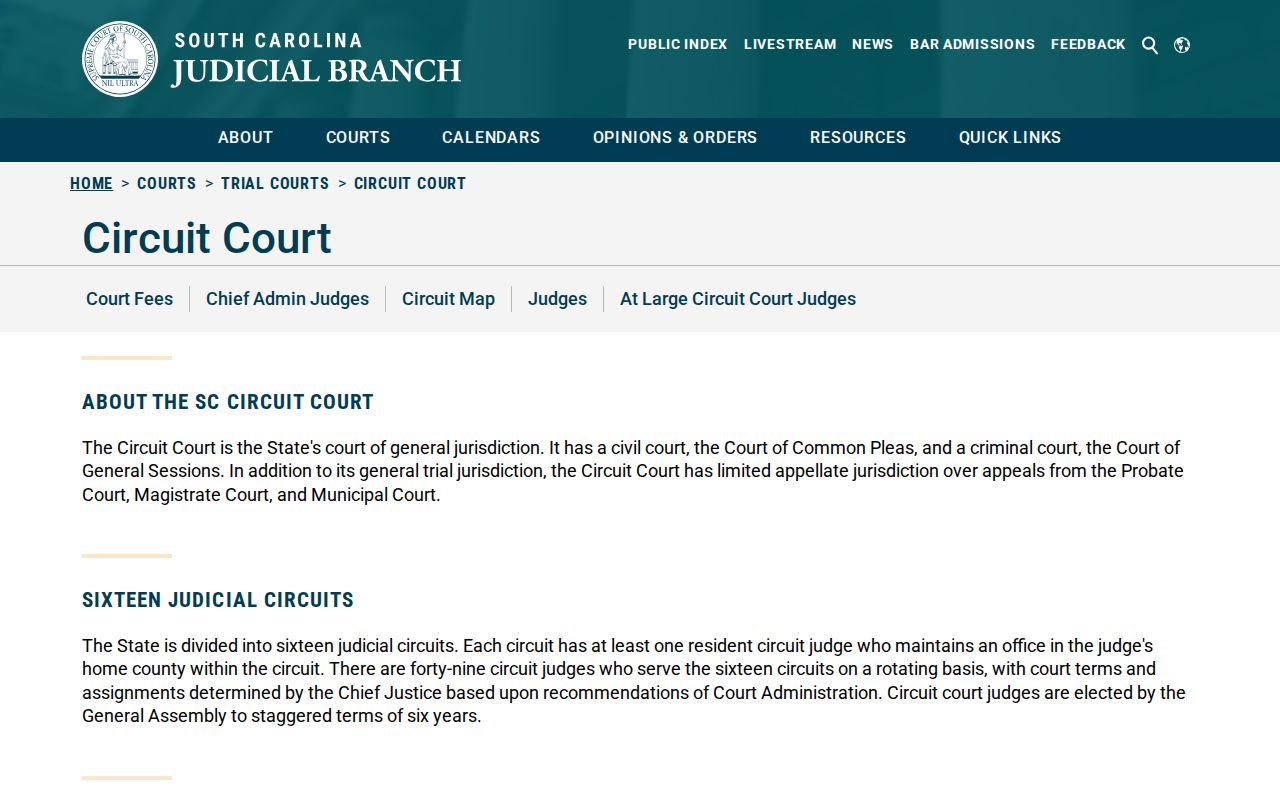
General Sessions is the felony trial division, and the Abbeville County Clerk of Court maintains its warrant and case files.
Abbeville County Arrest Warrants: What They Contain
The state arrest-warrant form is a schema, not an Abbeville County numbering guide. It marks county versus municipality. The blocks cover the charge, issuing officer, service certification, and return, while bond terms may sit in a separate order.
| Warrant number | Year and case-style parts may appear; local format is not published. |
|---|---|
| County or city | The form distinguishes county from municipality. |
| Charge | Offense name, code, and Code or Ordinance section. |
| Issuing officer | Judicial signature and date. |
| Agency / return | Service certification and officer return block. |
| Sample format | No Abbeville format published |
Abbeville County Warrant Form Fields
The state form has blocks for county or municipality, agency ORI, prosecuting officer, offense code, judicial signature, and return information. Personal descriptors sit there too. Those are form fields. Abbeville's Clerk describes its General Sessions holdings as warrants, tickets, bonds, and indictments. It publishes no local number prefixes, status codes, or full field layout for the county.
Official South Carolina bond checklist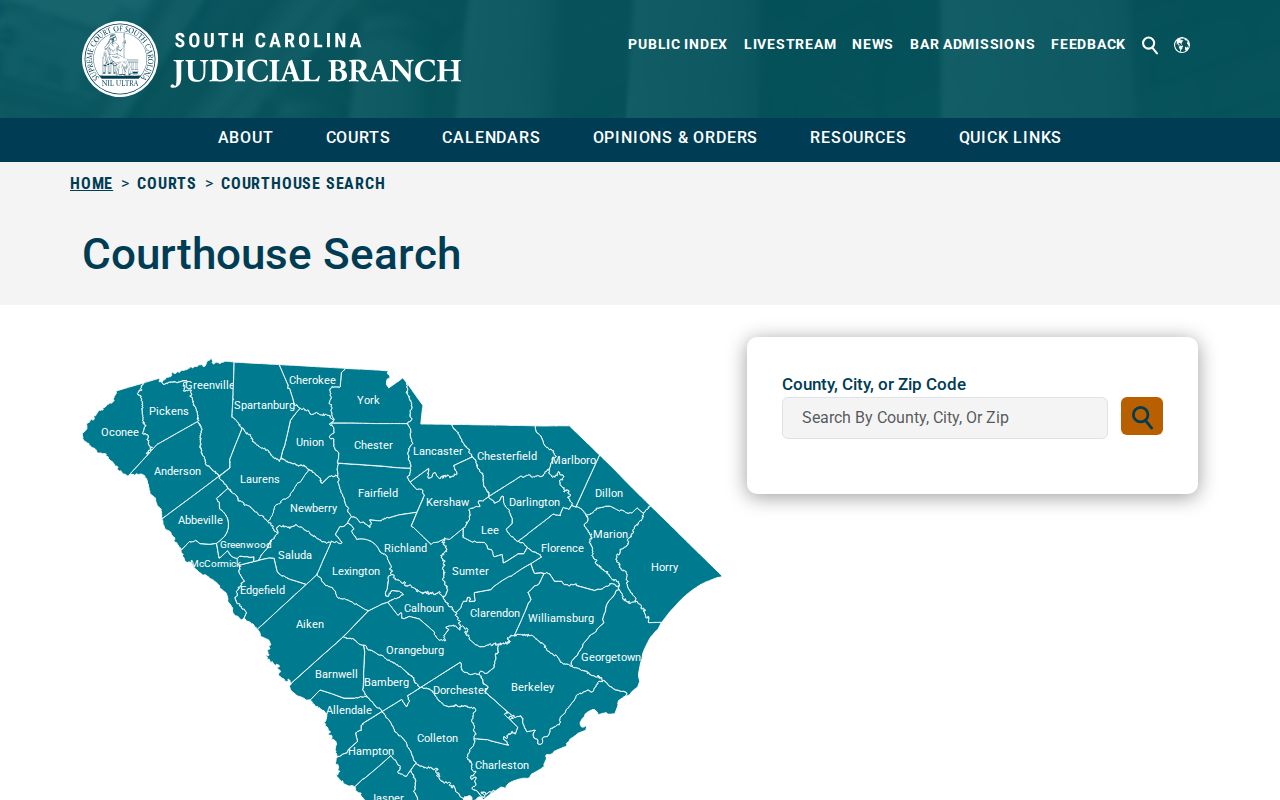
The courthouse locator points to the local Circuit Court service point in Abbeville County, and it offers no warrant roster.
How Warrants Get Served in Abbeville County
The Sheriff and municipal police are the local law-enforcement contacts in Abbeville County. No county matrix assigns each warrant type to a unit. The Sheriff's public page lists divisions without naming a warrant unit. Do not assume one office serves every court. After an arrest, custody begins and the proper court takes up first appearance or bond, with Abbeville listing daily Bond Court sessions but not each warrant's schedule or intake process.
Who Serves Abbeville County Warrants
For a General Sessions file, the Abbeville County Clerk of Court keeps the record at the county courthouse. The Sheriff handles service and custody questions. Municipal police may serve city process. No county chart fixes which agency receives each warrant. Ask the issuing court about recall, and ask the Sheriff or Detention Center about service and custody routing. Court staff and law enforcement each answer a different part.
Abbeville County Sheriff's Office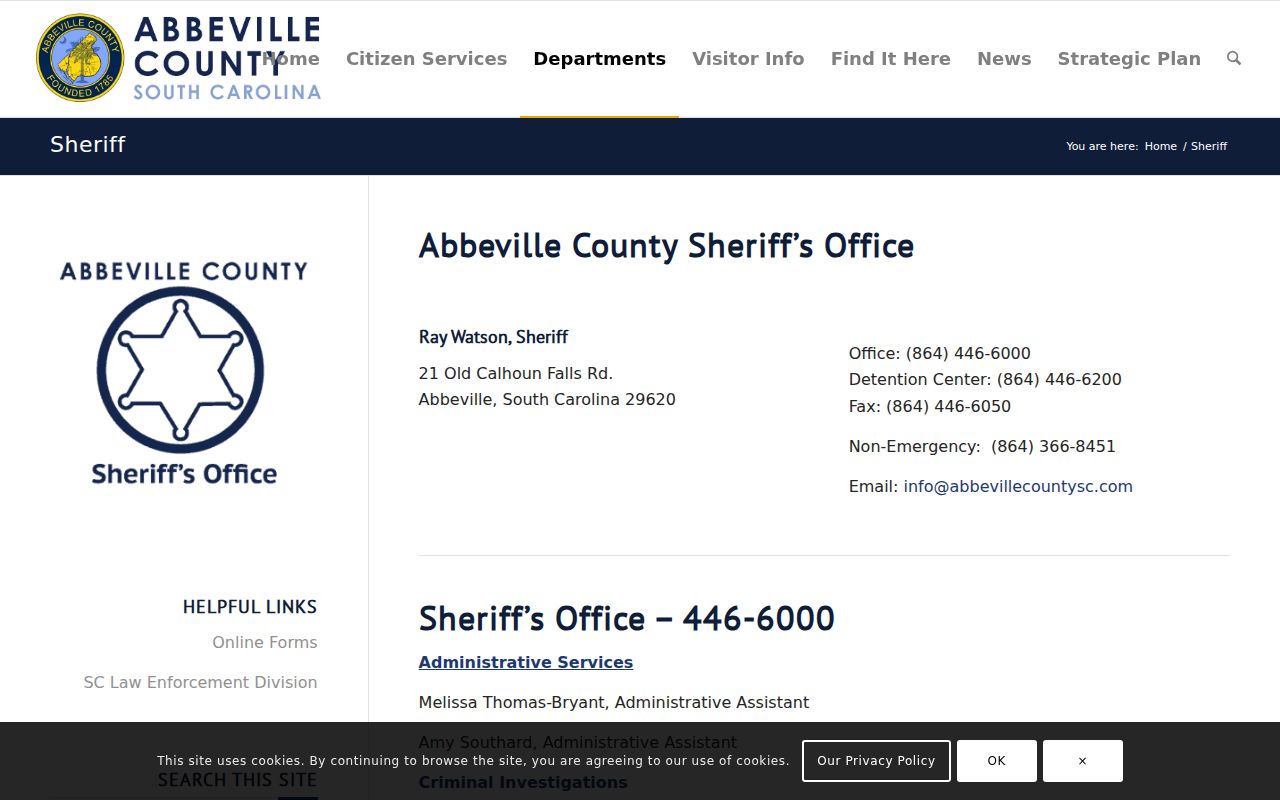
The contact page lists main, detention, and non-emergency numbers for Abbeville County, with no dedicated warrant unit named.
Arrest Warrants, Summonses, and Bench Warrants
Do not collapse these into one label. A summons sets a court appearance. A bench warrant follows a missed obligation, while an arrest warrant authorizes custody through probable cause. The Abbeville County Magistrate Court uses bench warrant for failure to appear or post bond.
| Feature | Arrest Warrant | Summons | Bench Warrant |
|---|---|---|---|
| What it orders | Custody on a criminal charge | Appear at a stated time | Custody after a missed obligation |
| Basis | Statutory probable-cause process | Summons route under state law | Failure to appear or post bond |
| Who issues | Authorized judicial officer | Court process | Judge in the existing case |
| Response | Ask counsel and court about surrender or bond | Attend on the stated date | Ask the court about recall or reset |
Federal Warrants Leave Abbeville County Court
Federal warrants run through a separate court process. Abbeville County belongs to the U.S. District Court for South Carolina's Greenville area. Public dockets live in PACER. A sealed filing may not show up there. The U.S. Marshals Service handles federal fugitive work alongside partner agencies, and no county court can recall federal process. Use federal counsel or the federal court itself when the case is federal.
Federal court locations and security rules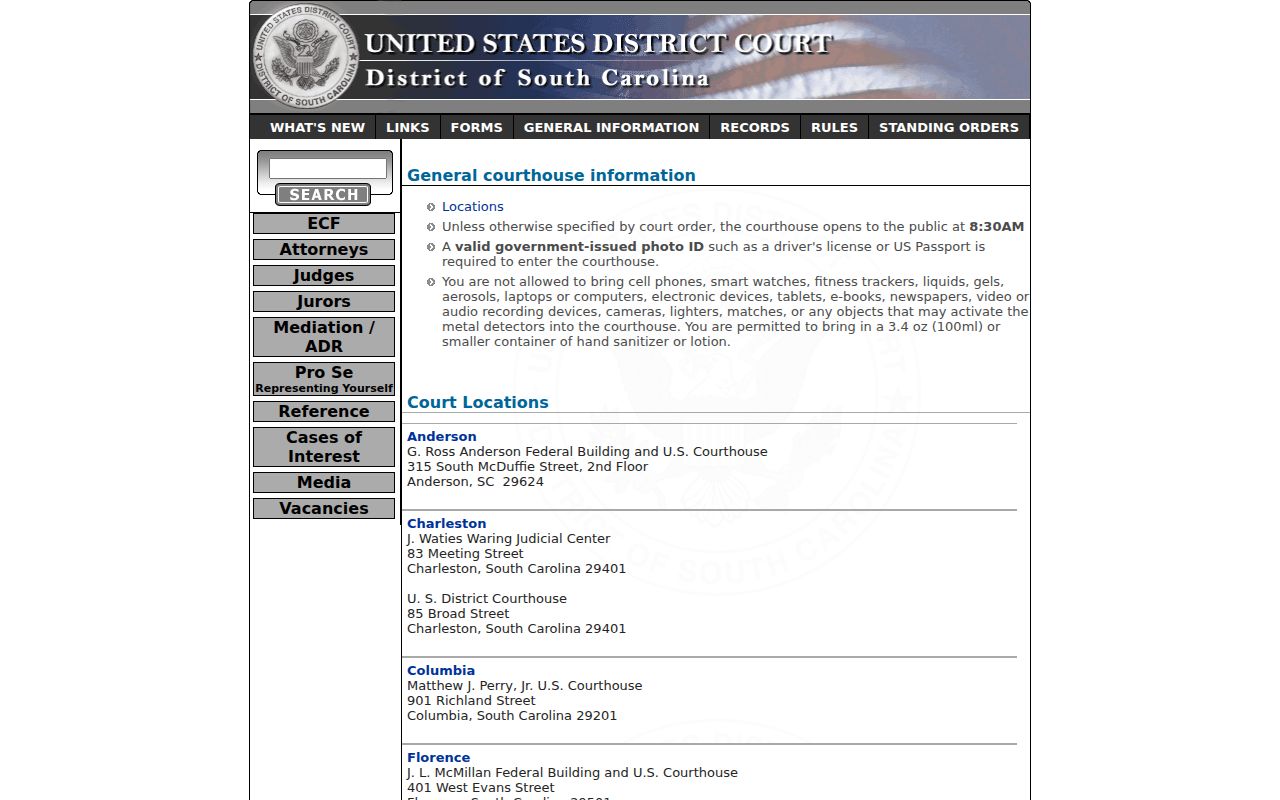
The federal location page sets a separate courthouse and records route from county cases.
Handling an Arrest Warrant in Your Name
Call the issuing court first, and speak with a South Carolina attorney before any unplanned visit. Ask whether counsel can arrange an appearance. Ask whether voluntary surrender is an option and how bond will be set. Abbeville County publishes no guaranteed walk-through policy or universal arrest-warrant payment method. Keep the order or receipt after the judge acts. A bond secures release and later appearance, but it does not end the charge itself. For broader local contacts, the county warrant overview explains the sheriff, detention center, and court roles.
Important: Contact counsel before surrendering. Confirm the issuing court, destination, bond process, and documents before you go.
Abbeville County Warrant Surrender Needs Counsel
Abbeville County does not promise that anyone may walk in, surrender, or post bond at any hour. Daily Bond Court times are not a universal arrest schedule. Ask the court and detention center about the plan for the specific case. Recall, quash, bond, and dismissal each have different effects. Get the written order or receipt, then confirm the service record afterward.